By making failure intolerable, a culture threatens the courage necessary to produce what it claims to admire.
By Joseph A. Shrager
dnaofdisaster.com | November 17, 2026
The machinery of the warrior planet elevates competition, hierarchy, and external validation into measures of human existence, imposing them even on those who reject their premise. Perversely, it experiences non-warrior types, whose quiet, unfinished confidence and contentment allow for paradox, as an existential affront. Unable to recognize its own embittered struggle, it interprets another’s seeming complacency as a judgment upon itself. The machinery doubles back on itself.
There is a peculiar tragedy when those who invest their identity in what they do perceive those unlike themselves as living lesser lives. Action becomes investment, investment masquerades as identity. Funny how accumulated time and effort may pass for the essence of being. Yet the machinery never quite achieves what it promises. Like money, no amount is ever enough. Somewhere it knows this. Unable to possess the contentment of those who live beyond its measures, it borrows a counterfeit of their success by diminishing their standing. Thus dismissing a trifling possibility: that being might be less conditional, less measurable, and more ethereal than anything achievement could produce.
And that same machinery governs our relationship with greatness, success, and the past. Monuments and people.
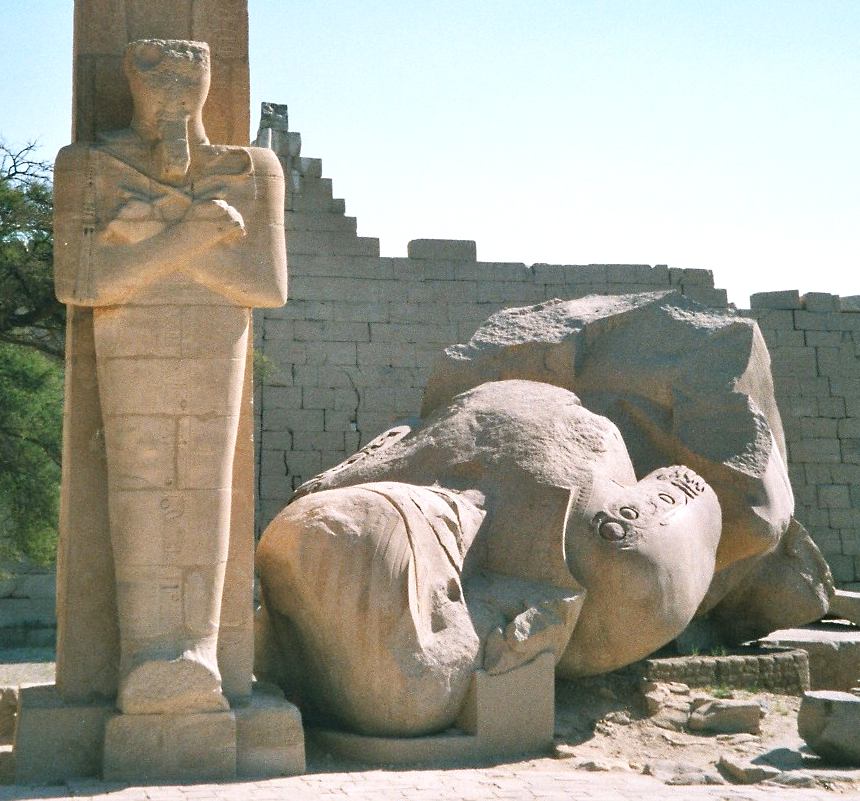
Should a monument cease to represent human courage, imagination, and collective effort simply because its history includes negligence, arrogance, or error? Can’t two truths coexist?
Monuments fail. Given time, entropy sees to that. We have every right to examine the ruins. But what is learned is not necessarily what was intended to be taught. Does our examination teach the next builders the courage to build, or why they should fear becoming builders? Be careful that the study of failure does not become the organizing principle of remembrance.
This is not about monuments. It is about a Venus flytrap of the Western imagination: the destruction of reputation.
Did you think tabloid thinking was confined to tabloids? We delight in discovering the flaws of those we once admired, withdrawing recognition and mistaking our satisfaction for moral intelligence. By diminishing their standing, we imagine ourselves elevated.
“Mommy, wow! I’m a big kid now.”
But the machinery requires an audience. Every reader arriving hungry for disgrace participates in its conversion into entertainment. We call ourselves spectators, as though attention were morally neutral. It isn’t. Attention is the currency that keeps the machinery alive.
And its secret? We do not necessarily want to correct the wrong. We strangely feel compelled to enjoy the diminishment. The monument brought down, the achievement discredited, the admired person reduced. Hence, we stand a tad bit taller, having accomplished nothing except the reduction of something greater.
Perhaps you think I am suggesting we should not expose wrongdoing? Quite the opposite. To recognize failure is wisdom; to make failure the final measure of those who dared to build is another kind of blindness. Be careful that legitimate criticism does not become illegitimate satisfaction.
The Venus flytrap does not pursue its prey. It waits for the appetite of zero-sum thinking to uncover it.
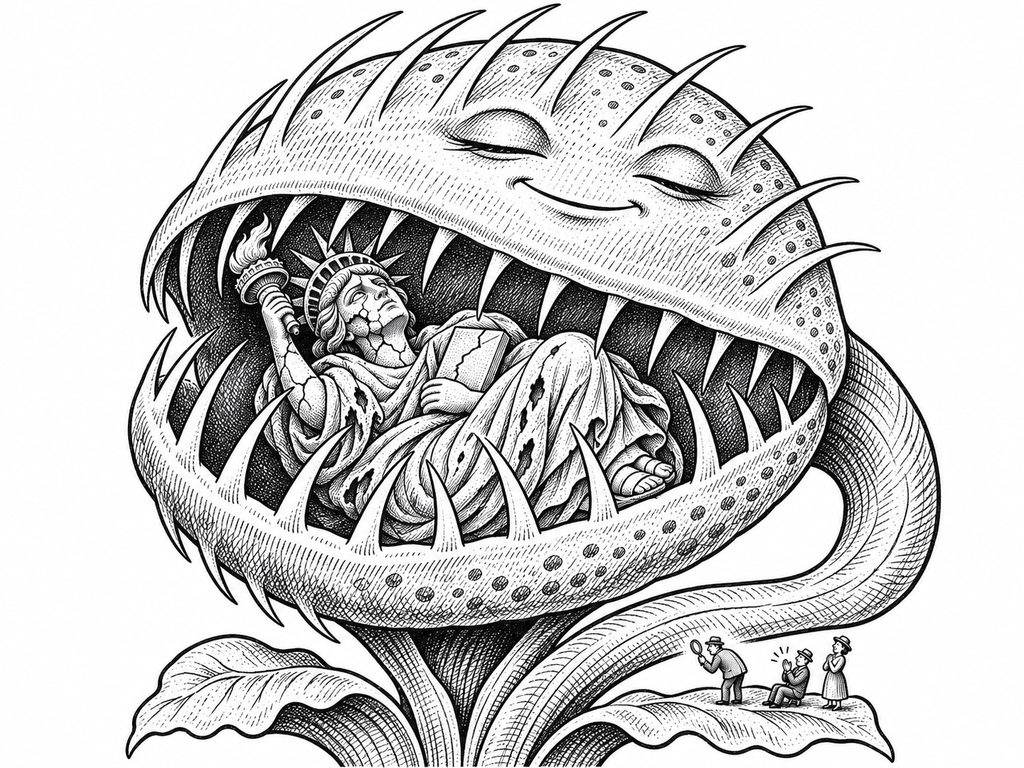
We confuse exposure with understanding, judgment with responsibility, destruction with progress. Experts at discovering what disqualifies greatness, curiously indifferent to what made it possible.
And the cost extends beyond reputation. We study yesterday’s mistakes so intently that we lose the courage that made yesterday’s achievements possible. A culture devoted to achievement becomes incapable of tolerating the conditions under which achievement occurs. Competition breeds fear; fear breeds caution; caution eventually forbids the first step. We love our successes to death, becoming obstacles to the very creation we admire.
Even those who believe they have escaped competition may still operate within its logic. We interpret difference as opposition and imperfection as an opportunity for superiority. Even the refusal to compete becomes another competition.
Failure belongs to the history of achievement; it does not own the achievement. The person who mistakes achievement for identity confuses what he has done with what he is. The spectator commits the opposite error, confusing what someone did wrong with everything that person ever could be.
But tabloid thinking cannot tolerate two truths. It demands a verdict. Life or death. Admiration or repudiation. Preferably one that flatters the jury.
And who is the jury?
We, the spectators who killed God; the consumers, the judgers. Consider our presumption of moral authority over consequence. Tragedy has already inflicted its suffering. Yet someone must pay again. We demand more suffering, as though consequence were incomplete without our administration. We declare God dead, abolish providence, then appoint ourselves its administrators. Did we kill God, or merely seize His throne to inflict more suffering in the name of justice?
The audience whose appetite sustains the machinery. And that’s the final irony: we condemn the machinery while continuing to feed it.